Why Did Renaissance Painters Include Flowers in Portraits?
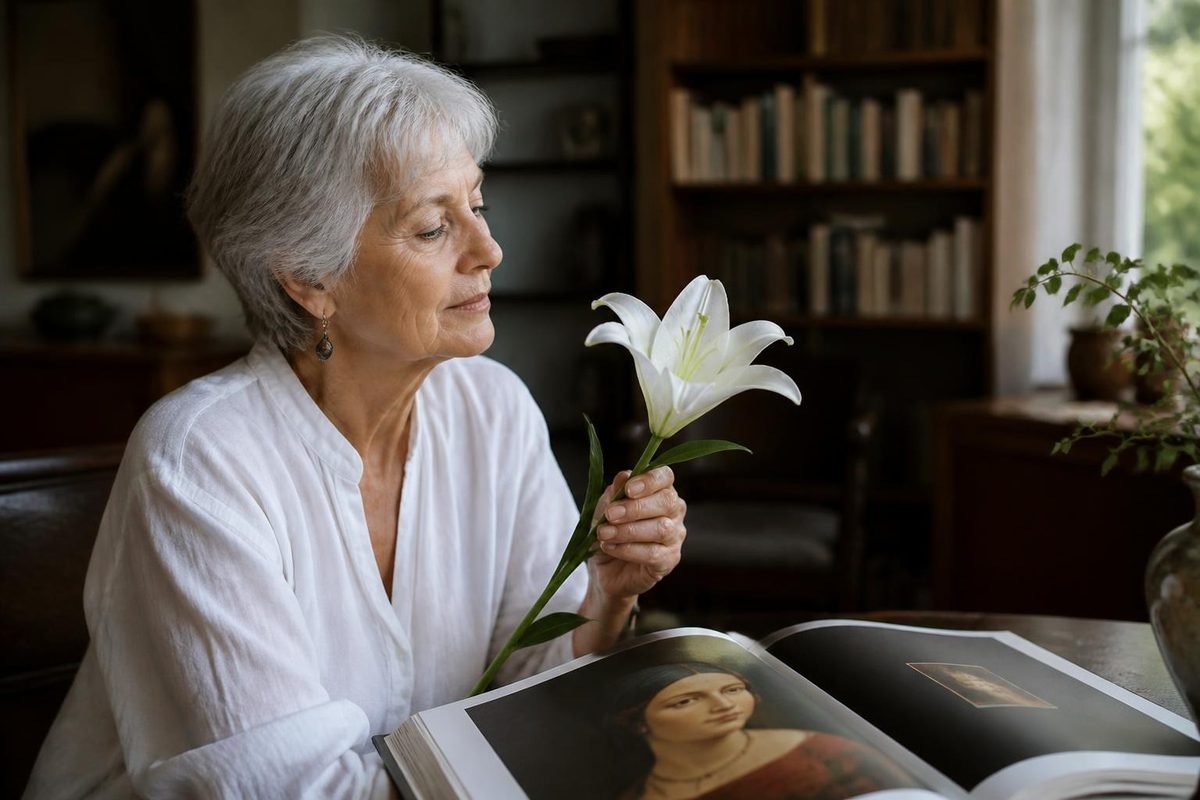
Renaissance painters included flowers in portraits to convey ideas about the sitter, such as love, virtue or religious belief. Flowers also added color and showed a painter’s skill, so their presence did not always carry a single hidden meaning.
Flowers as signs of love and marriage
Flowers could suggest affection or a bond between two people. A sitter might hold a flower, wear one or appear beside a flowering plant. In some portraits, a carnation has been associated with engagement or marriage, although its meaning depends on the painting and the circumstances in which it was made.
Portraits sometimes formed part of a marriage arrangement or marked a union. In those cases, a flower could support the picture’s message about the relationship. It is harder to be certain when little is known about the sitter or the original purpose of the portrait.
Religious ideas and virtue
Christian art gave some flowers familiar associations. The white lily, for example, was connected with the Virgin Mary and with purity. Roses could also carry religious meanings, including associations with Mary.
These associations could shape how a viewer understood flowers in a portrait, especially when other details pointed toward devotion or virtue. But a flower that had a religious meaning in one setting did not necessarily have the same meaning in every portrait.
Clues to a sitter’s identity
Plants could refer to a sitter’s name as well as to qualities admired by the person who commissioned the painting. A well known example is Leonardo da Vinci’s portrait of Ginevra de’ Benci. The juniper behind her alludes to her first name: the Italian word for juniper is ginepro. Juniper also appears on the reverse of the portrait.
Not every plant is a name puzzle. To interpret one, it helps to look at the sitter’s identity, any inscription and other details in the work. The history of the painting can matter as much as the species shown.
Beauty, wealth and artistic skill
Flowers made portraits more visually engaging. Petals, leaves and stems gave painters opportunities to render delicate shapes, varied textures and subtle changes in color. A carefully observed plant could draw the eye without taking attention away from the sitter.
A flower or garden setting could also contribute to an impression of refinement. Still, a painted flower alone is not proof that a sitter owned a garden or had particular wealth. Its role may have been decorative, symbolic or both.
How to read flowers in a portrait
Start with what is visible, then consider what is known about the painting. Useful details include:
- The kind and color of the flower, if they can be identified.
- Whether the sitter holds, wears or sits near it.
- Inscriptions, other objects and the portrait’s original purpose.
A convincing interpretation brings these details together rather than treating a flower as a fixed code. Sometimes the evidence leaves several possible meanings, and sometimes its main purpose may simply have been to make the portrait more beautiful.
Keep reading: florist SEO tips